Introduction
Plug-in vs remote refrigeration is a key decision for UK retailers and hospitality businesses. The choice impacts cost, efficiency, and customer experience. This guide explains the differences and helps you select the system that fits your needs.
Understanding the Basics
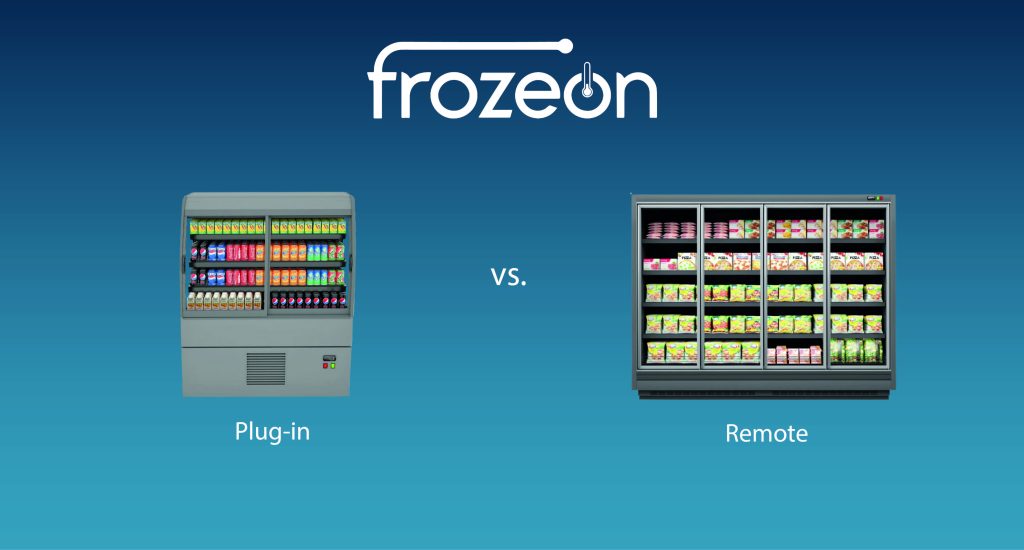
Plug-in refrigeration, also called integral refrigeration, is self-contained. The compressor, condenser, and evaporator sit inside the cabinet. These units are truly “plug-and-play.” You only need a power source to get them running.
Remote refrigeration separates the compressor and condenser from the display cabinet. Installers usually place them in a back room, rooftop, or plant room. Only the evaporator stays inside the cabinet or cold room.
The Case for Plug-in Refrigeration
Plug-in units are convenient. They install quickly, need no special engineering, and move easily. Small stores, cafés, petrol stations, and seasonal retailers value this flexibility. Businesses can adjust layouts or promotions without costly changes.
Still, plug-in units release heat into the store, which increases air conditioning demand. They also generate more noise due to the built-in compressor. Over time, they may use more energy than large-scale remote systems.
The Case for Remote Refrigeration
Remote refrigeration suits supermarkets, hotels, and food halls with heavy cooling needs. By placing heat-producing parts outside, stores stay cooler and quieter. Customers enjoy a better shopping experience.
Remote systems also deliver stable temperatures and often run more efficiently on a large scale. However, they cost more upfront, need expert installation, and are harder to relocate. They work best in stores with fixed layouts and high cooling demand.
Making the Right Choice
Your decision depends on business size and flexibility. Smaller stores benefit from portable, simple plug-in units. Larger operations with constant cooling needs gain from efficient remote systems.
Many UK retailers now use both. They install remote systems for bulk cooling and add plug-in units for drinks or promotions. This hybrid model combines efficiency and flexibility.
Final Thoughts
Both plug-in and remote refrigeration have clear advantages. The best choice aligns with your store layout, customer expectations, and energy goals. Whether you choose one or combine both, a well-planned refrigeration strategy will improve performance, reduce costs, and enhance reliability over time.
Follow us on Socials;