
In modern retail, cooling solutions must balance cost, compliance, and flexibility. This guide explores the role of commercial plug-in fridges UK supermarkets and convenience stores rely on, covering energy efficiency, compliance, sizing, and total ownership costs.
What Are Plug-in Commercial Fridges?
Unlike remote refrigeration, plug-in fridges have the compressor, condenser, and evaporator inside the cabinet. This design makes them:
- Quick to install, without remote condensing units
- Ideal for temporary or modular stores
- Suitable for leased or restricted retail spaces
- Easy to reposition for seasonal layouts
Because of this flexibility, plug-in fridges are common in supermarkets, delis, forecourts, and beverage retailers. Yet, if chosen poorly, they can become a long-term liability.
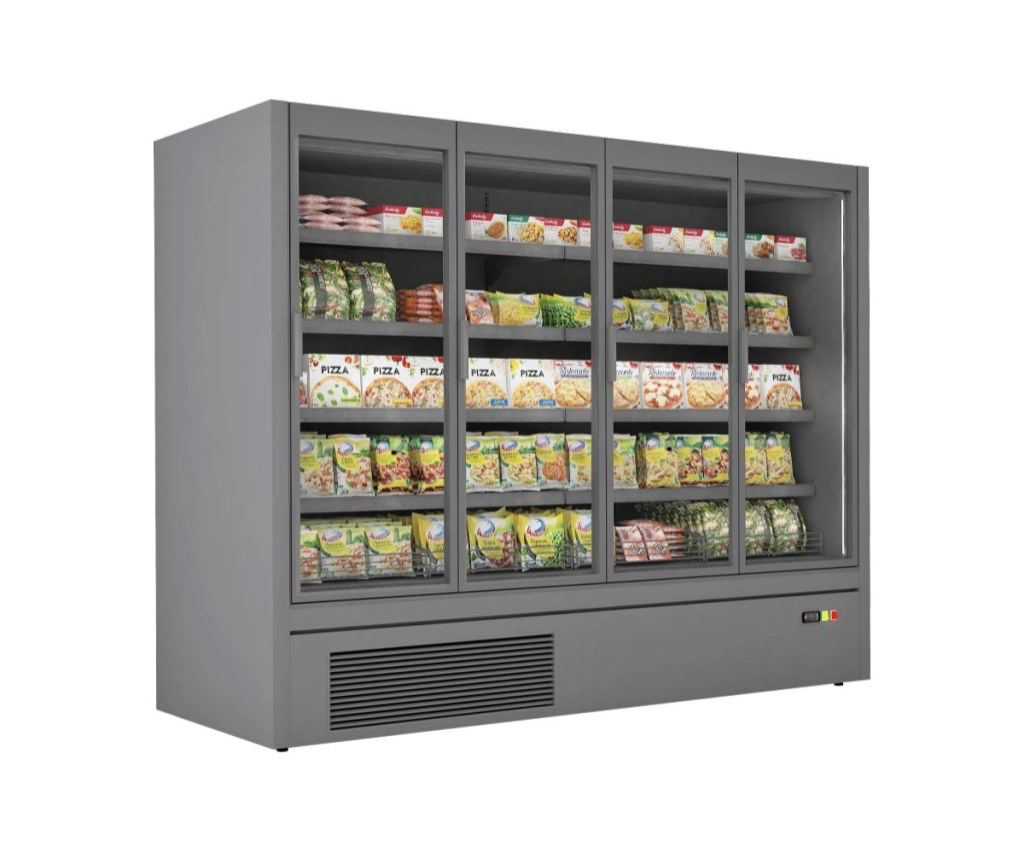
Energy-Efficient Plug-in Fridges: What to Look For
Energy use is a critical factor in UK retail operations. The best commercial plug-in fridges UK retailers choose usually include:
- Inverter compressors – adjust cooling output to reduce power waste
- Triple-glazed doors – keep heat out and efficiency high
- EC fan motors – quieter and more efficient
- LED lighting – cut power bills and improve visibility
Upgrading older fridges with LED lighting and better glazing can cut annual energy use by 15–20%.
Compliance with UK and EU Refrigeration Regulations
For food retailers, safety and compliance cannot be ignored. Always check that plug-in units meet:
- EcoDesign and Energy Labelling Regulations (UKCA/CE)
- EN 16825 performance standards
- HACCP-friendly construction for hygiene
- Digital temperature logging and alarms for traceability
These features protect both product quality and business liability.
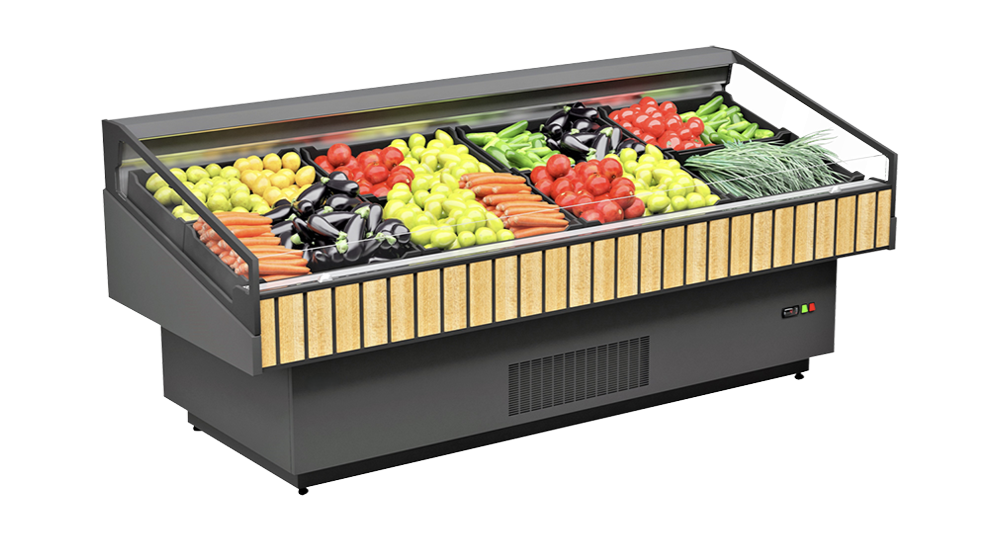
How to Size and Position Plug-in Fridges
One of the most common mistakes is buying the wrong size. Oversized units waste energy, while undersized ones lead to unstable cooling.
Best practice:
- Choose at least 1.25× peak daily stock volume
- Keep space for airflow and restocking
- Avoid direct sunlight, heaters, and doorways
- Allow rear and side clearance for ventilation
- Use narrow-depth units in small urban stores
Total Cost of Ownership: More Than the Price Tag
Although plug-in fridges often cost less upfront than remote systems, long-term expenses vary. Consider:
- Lifespan of compressors and components
- Warranty terms (parts + labour)
- Maintenance and spare parts availability in the UK
- Energy usage (kWh/year) and EEI rating
Always compare lifetime running costs, not just the purchase price.
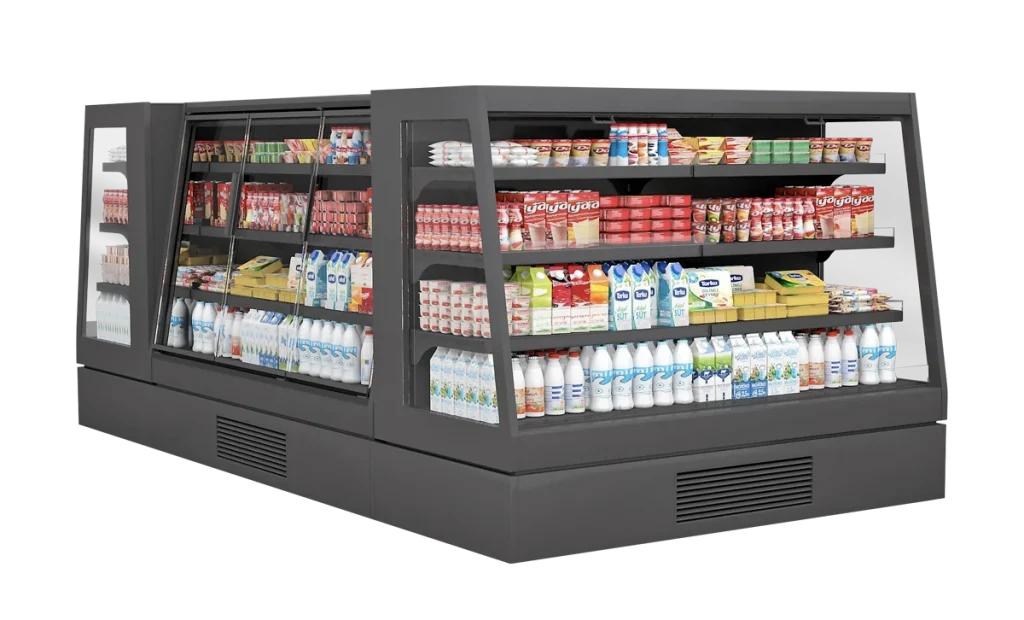
Final Word: Scalable Plug-in Fridge Strategy
In British retail, commercial plug-in fridges UK businesses select must balance flexibility with compliance and cost efficiency. Before your next purchase, ask:
- Is the fridge energy-rated and compliant?
- Can it be serviced locally?
- Does it fit our store layout and stocking habits?
When chosen wisely, plug-in refrigeration boosts efficiency, protects food quality, and strengthens customer trust.
Follow us on Socials;